
Dear Friends of the House,
Since West Neighbourhood House opened in Kensington Market in 1912, equity and social justice values have been central to our work. The issues look a bit different today, but at the heart of our challenge is a question we’re still actively engaged in solving: How do we work together to make sure people have the support, skills, and opportunities they need to participate in building a safer and more just community?
There’s no single answer. Instead, this commitment shows up in many different ways:
-
Meet Mac Scott, whose concern for people experiencing homelessness and refugees led him to volunteer with our free legal clinic for over two decades.
-
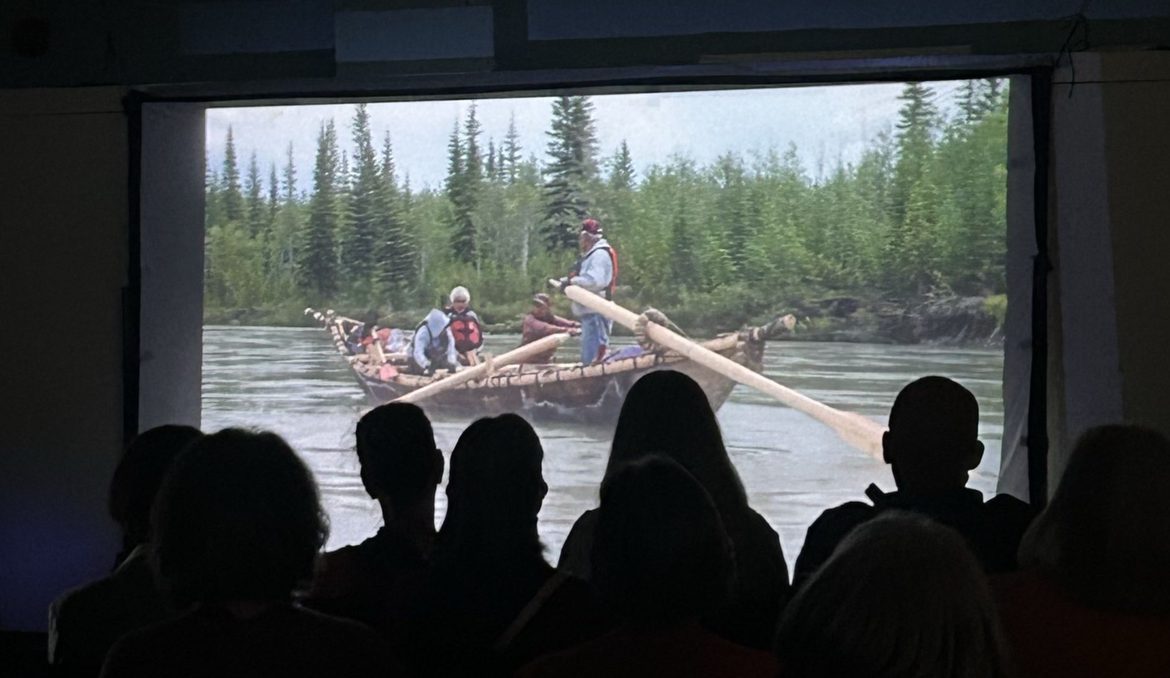
To mark Truth and Reconciliation Day, we welcomed neighbours for a special screening of Nahanni: River of Forgiveness, a documentary made with Dene First Nation Members. Programs throughout the week also wove in conversation, learning, and reflection.
-
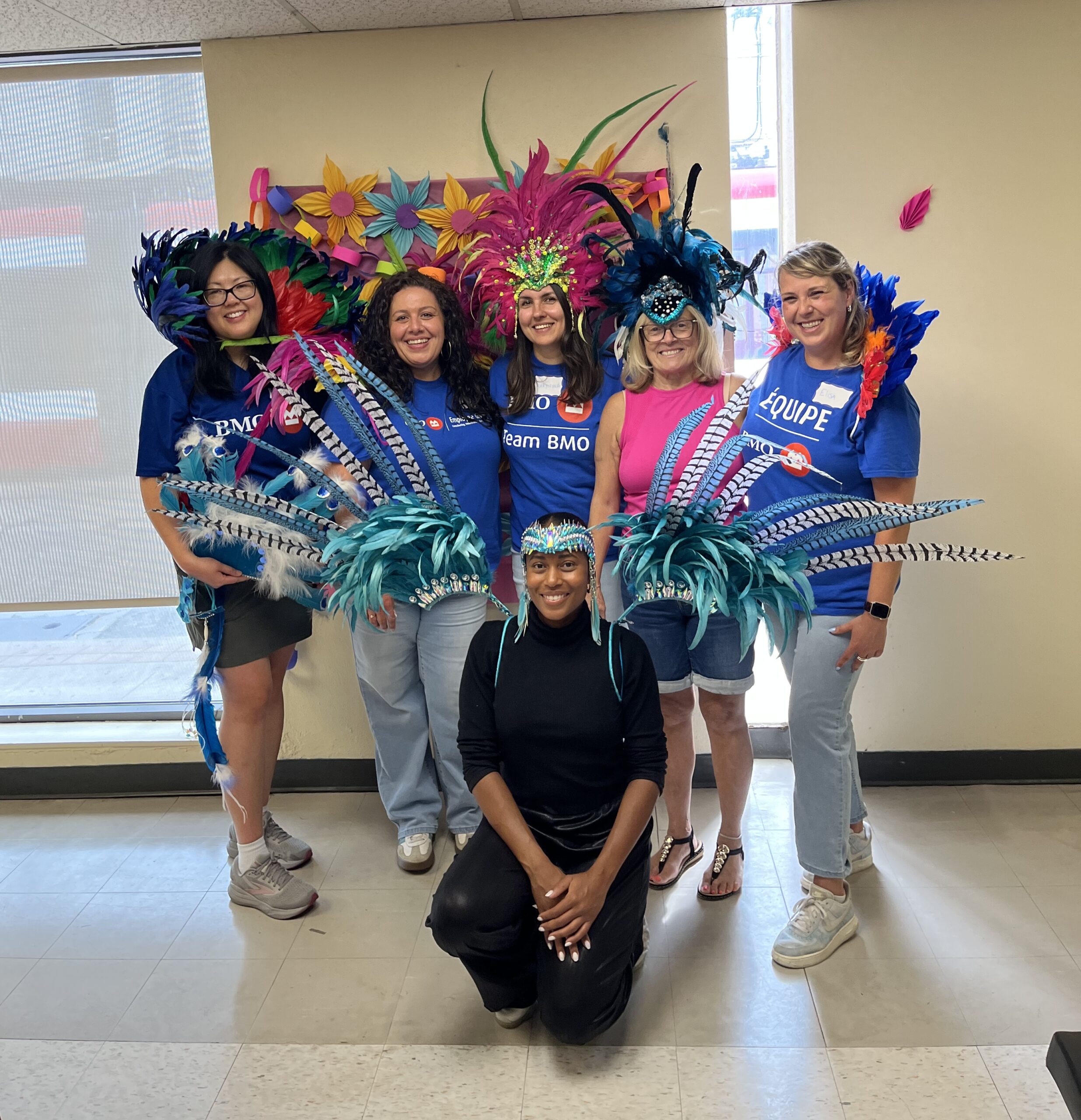
Over the summer, we welcomed volunteers as part of BMO Days of Impact who celebrated with participants across the House.
-
The Meeting Place drop-in highlights what experiencing community support looks like.
Our work also means staying connected to the neighbourhoods around us. Beyond our programs, we continue to spend time sharing what we’re doing, building new connections, and listening to what neighbours are experiencing. Keeping our doors open to everyone means responding to a changing community. We hosted another community consultation on our future plans to re-develop our location at 248 Ossington Avenue, and look forward to your support.
As West Neighbourhood House looks forward to working with a new City Council in Toronto this fall, we know the issues our community faces aren’t simple. The practical things we can do together every day are all ways of tackling bigger challenges together.
With gratitude,
Maureen Fair,
Executive Director
Read on for more about what has been happening at the House.
National Day for Truth and Reconciliation
At West Neighbourhood House, we acknowledge the intergenerational trauma and systemic racism that has been the experience of Indigenous peoples in Canada. As part of our on-going commitment to reconciliation with the Indigenous communities, the House recognized the National Day for Truth and Reconciliation by inviting neighbours to join us on September 29th for a special evening of learning together about Indigenous experiences.
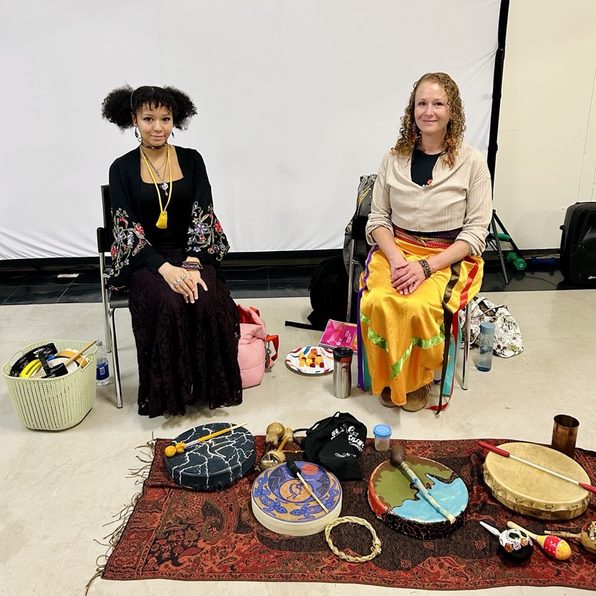
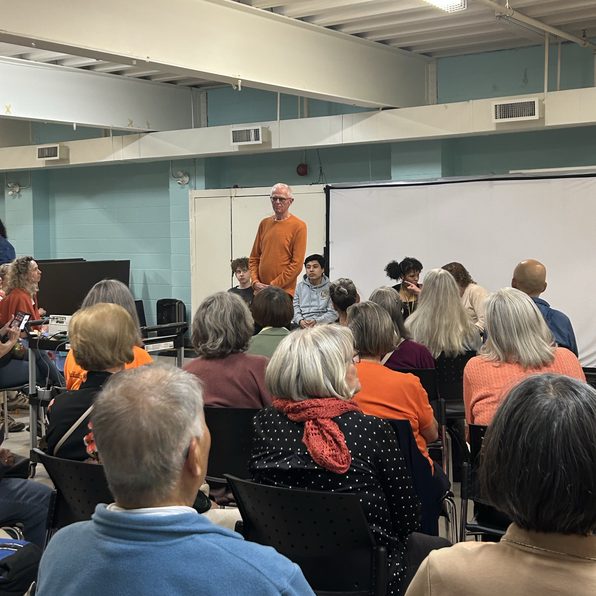
We opened with Metis/Mohawk (Kanyenke’haka) Interdisciplinary Artist/Activist Rosalind Rundle and her family leading a drum circle. We were later joined by Geoff Bowie, Toronto filmmaker for a screening of his documentary ‘Nahanni: River of Forgiveness’. The documentary follows 12 Dene First Nation Members as they build a traditional moose-skin boat and paddle 500km along the Nahanni River. They reflect on the painful history of residential schools on a journey of healing, reconnecting with the traditions of their ancestors. Learn more at River of Forgiveness: The Interactive Experience.
Across the House, we marked the Day for Truth and Reconciliation and Orange Shirt Day through learning and reflection. In the Family Drop-In, children and families read With Our Orange Hearts by Phyllis Webstad, creating orange hearts and a shared Truth and Reconciliation Tree. In After-School Programs at Pope Francis and Holy Family, children reflected on how Indigenous children who attended residential schools were not given the opportunity to preserve their heritage and how important it is for all of us to be able to celebrate our unique cultures.
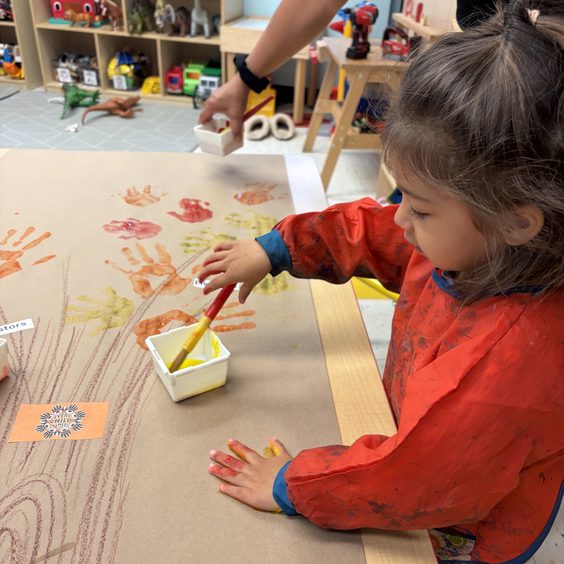
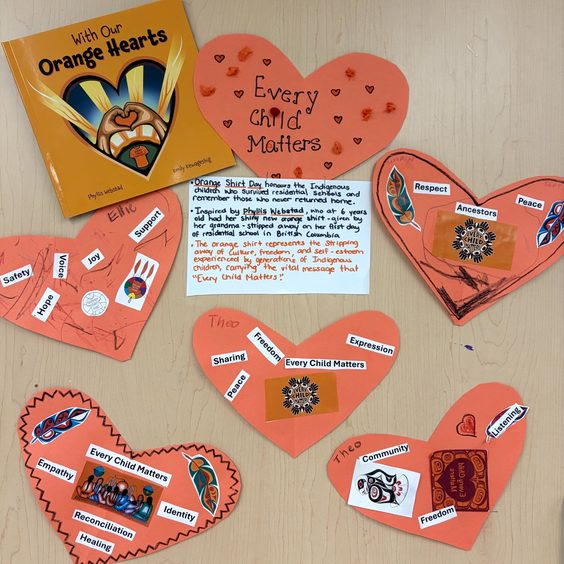
Together, these activities created opportunities across the House to deepen our commitment to learning from and building more meaningful relationships with Indigenous communities.
Volunteer Spotlight: Breaking Down Barriers
Immigration status affects almost everything: the ability to find stable housing, pursue employment or training, and reunite with family.
For more than 20 years, volunteer immigration lawyer Mac Scott has helped newcomers and refugee claimants navigate these barriers at West Neighbourhood House.
Mac’s commitment started before he became a lawyer, while working with low-income communities at the Ontario Coalition Against Poverty (OCAP). He began noticing some people experiencing homelessness were also living without immigration status. Without status, finding stable work and housing is harder. Without stability, dealing with an already complicated immigration system becomes even more difficult. Seeing these experiences strengthened Mac’s commitment to migrant justice and interest in immigration law.
In 2003, Mac visited the Meeting Place drop-in for the first time. “I liked how the organization works with the homeless community and I was doing a lot of activism around the issue of homelessness as well.” After being called to the bar, Mac reached out again, this time offering professional legal expertise as a volunteer. He has kept coming back.
Mac is now one of West Neighbourhood House’s longest-serving volunteers. His work is particularly focused on helping refugee claimants secure their status. Refugee claimants are workers, parents, and neighbours. Once people resolve their immigration situation, they can begin putting more energy into other parts of their life and have more opportunity to contribute to the communities they are part of.
Mac’s volunteer work has grown into regular legal clinics, delivered in partnership with Carranza Barristers & Solicitors and the Immigration Legal Committee. These clinics offer the opportunity to sit down with an immigration lawyer and talk through questions. This support means refugees facing barriers do not have to navigate them alone.
“The clinic was a great way to combine my advocacy work and my professional work.”
Mac has found working alongside West Neighbourhood House’s settlement team and other staff a successful model. A complicated legal problem might mean several people sitting together, each bringing a different piece of what is needed.
“There are a lot of excellent settlement workers including at West Neighbourhood House, who go above and beyond for their clients. I often work together with a social worker, interpreters and client to find the best way to resolve legal issues. This helps build a situation of trust between us.”
After more than two decades of volunteering, Mac says it is the resilience of the people he meets that strikes him the most. “If I had anything to say about the examples I’ve experienced, it’s been that if someone has a good social worker – and the determination to push through it all, then they could win the day.”
That is one of the ways we create stronger communities: newcomers contributing skills, experience, and determination; volunteers sharing time and valuable expertise; and all of us problem-solving together to find the right support at the right time.
Behind the Scenes at the Meeting Place Drop-In
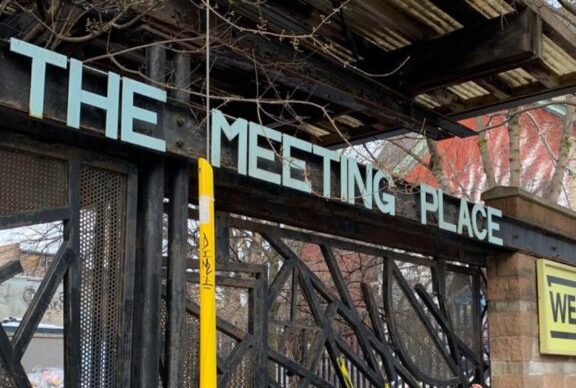
At a Saturday community lunch at the Meeting Place, one of our drop-in staff noticed that one participant was sitting by himself rather than joining the usual conversation around him. Jake* is one of our older members who is now housed.
When a Meeting Place program lead checked in with Jake, he shared that his mother and his wife had died from cancer just four months apart. He spoke about how alone these losses had left him feeling.
A staff stayed with him and listened, giving Jake the time and space to talk at his own pace. He was able to express his grief, cry, and share some of what he had been carrying on his own.
Later on, Jake managed to have something to eat and returned to the larger drop-in space, reconnecting with other members. Staff continued to check in and made sure he had some extra food and a few necessities to take home with him.
Jake calls the Meeting Place “a home away from home.” For him, that means having somewhere he can spend time with other people, talk with staff, and be seen and known as part of a community. It is a reminder that responding to isolation does not always require a big intervention. Sometimes it starts with noticing someone, making room for what they are going through, and providing a place where they continue to belong.
*Name has been changed
Call for donations for the Meeting Place
The drop-in is requesting in-kind donations to help our members brace the elements of the Canadian winter. At the moment, we are in need of some essential supplies such as underwear and socks (new only), winter clothing (new only), new or gently-used towels, new backpacks, non-perishable foods, toiletries, and other items.
For more information and to schedule a drop-off, please email info@westnh.org or call 416-532-4828.
Follow-up on Community Crisis at Queen and Bathurst
West Neighbourhood House shares the concern of many neighbours about the visible rise in numbers of unhoused people and numbers of people using drugs and overdosing. This has become a city-wide issue and indeed is a concern across the country.
Neighbourhood safety and compassionate support are shared goals. People who are unhoused or using drugs are also our neighbours, and their safety matters alongside the safety of everyone in the community. Since last winter, we have worked with partners from other community agencies and City departments to try to keep everyone in the neighbourhood safe. We deeply appreciate this team effort, even as we call for action beyond what local services can provide.
We have concluded that the solution to this current crisis of homelessness and drug use is not simply more community services. Local police also tell us they cannot arrest our way out of this problem. This is a medical problem and an affordable housing problem. Those are provincial and federal government responsibilities.
West Neighbourhood House is concerned about the quality and availability of many, if not most, addiction treatment programs even for voluntary admission. A recent informal survey of 18 Meeting Place members revealed multiple problems with detox or treatment programs: e.g. long waitlists, needing to call repeatedly (requiring need for a phone), convoluted eligibility criteria, no follow-up support after discharge, etc. We believe that the medical community and provincial government need to have a hard look at current treatment programs.
Meanwhile, West Neighbourhood House supports the work of medical professionals who are trying to promote more access and use of addictions medicines that stop withdrawal symptoms and cravings.
West Neighbourhood House will continue what we can do with our partners to monitor and respond to overdoses, to support people making better informed choices, and to provide basic needs and support. Our local response will continue alongside our call for government action.
We ask our community to help by telling our provincial and federal governments to address the root cause problems in the current medical system and affordable housing system that are causing the unprecedented numbers of people using drugs on the street.
BMO Days of Impact 2026
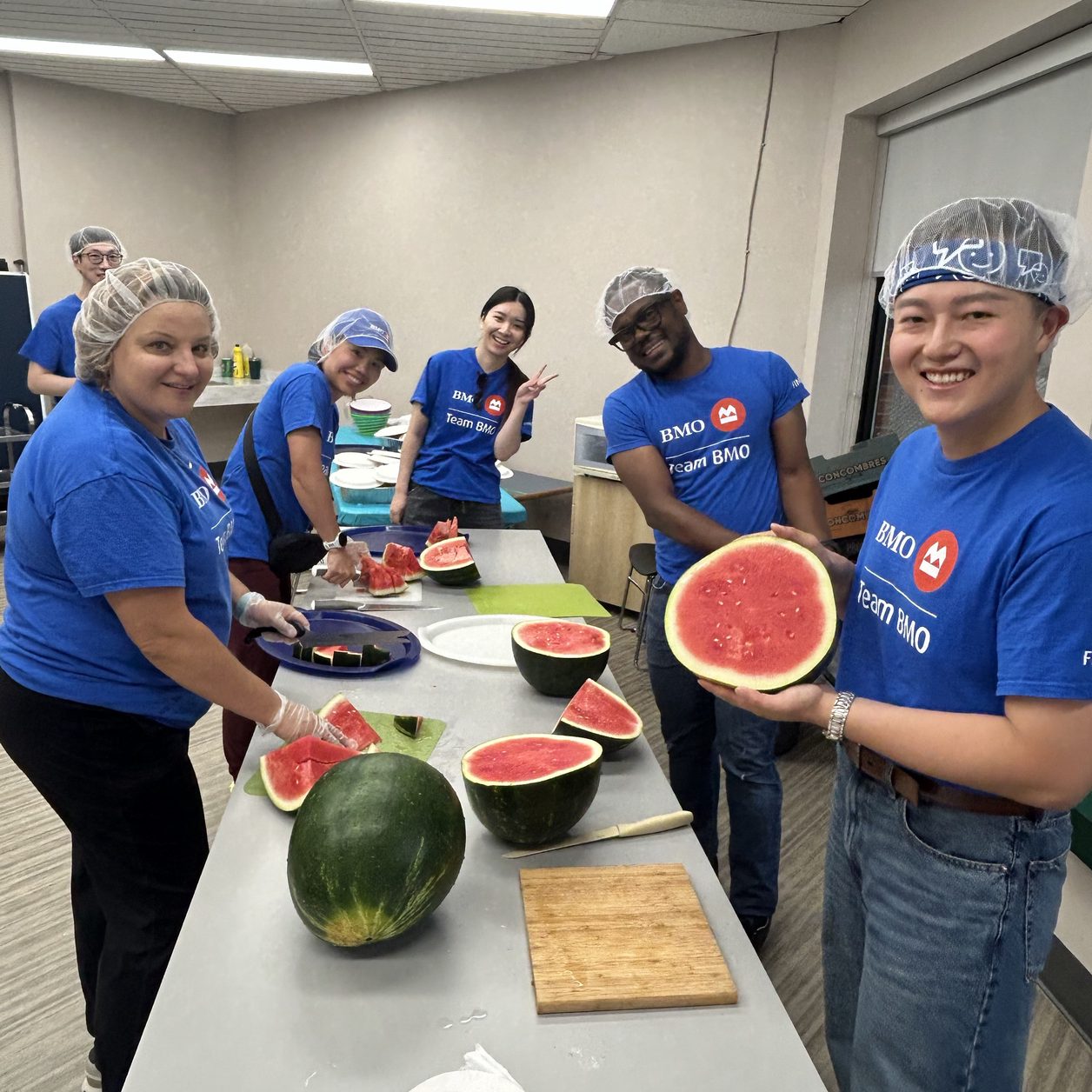
We were thrilled to host four teams of fantastic BMO volunteers throughout August, as part of BMO Days of Impact. The groups provided hands on support and donations to help us offer four wonderful events.
At the Meeting Place, volunteers spent the day packing over 50 hygiene kits and cooked up a delicious breakfast for Meeting Place members. This simple gesture brought so much warmth and care into the drop-in.
At our Summer Caribbean Celebration, Volunteers supported our Seniors program to throw a Caribbean Party in honour of Emancipation Day. From serving refreshments to getting everyone dancing, it was a day of music, laughter and vibrant community spirit.
At the Seniors Summer Celebration, volunteers helped create a joyful atmosphere for participants at West Lodge, a Toronto Community Housing building where West Neighbourhood House operates one of our West Active Living and Learning Centre (WALLC) program sites. From preparing food to facilitating games, the event brought together local seniors to build community and connection.
Newcomer Youth Back-to-School Drive! BMO volunteers donated and assembled bags of back-to-school supplies alongside encouraging handwritten notes. This was distributed during an afternoon of fun activities with youth new to Canada.
Corporate volunteering groups help us to continue providing extra supports to our neighbours who need them most. Thank you to all 36 BMO volunteers for your generosity.
An Update on 248 Ossington from our Executive Director
The low-rise teal green building at Dundas/Ossington needs to go! West Neighbourhood House’s 248 Ossington building is aging and in need of costly repairs. Instead of repairs, we are in the process of redeveloping this large site with a new building that allows us to continue serving the neighbourhood while creating much-needed affordable housing. We have committed to creating at least 75 affordable homes and hope to create more, depending on available government funding and financing options.
Over the past several months, we’ve been sharing our plans at this early stage and listening to the community. More than 700 people have taken part through neighbourhood canvassing, tabling, and community meetings. We’ve heard strong support for creating more affordable housing and renewing our community space, along with thoughtful questions about how the new building will fit into the neighbourhood. We also collected many wonderful ideas about what makes our surrounding community special, and the welcoming traditions that neighbours practice here.
The current concept is for a “tall mid-rise building”, maximum 16 storeys high, given the large size of the site and position on a major intersection. The final design, including height, of the building has not been approved yet. You can find out more by visiting our website.
The design will continue to evolve as we confirm available funding and undergo the City’s planning process. Our next major step is submitting a Zoning By-law Amendment application to the City of Toronto. This will begin the formal review process and create more opportunities for community input.
If you would like to learn more about how planning works so you can help champion affordable housing, contact Meyira on our Community Development team at meyirawi@westnh.org
There is still a long way to go, and many details are still being worked out, but we appreciate our neighbours joining our journey to redevelopment an important community asset. Stay connected to the project by contacting us at 248redevelopment@westnh.org
We’re looking forward to continuing those conversations and working toward a building that can provide welcoming community space and affordable homes for generations.
Stay in Touch!
There’s one more great — and totally free! — way you can help strengthen our community: Forward this email to someone you know who might be interested in the work of the House. Anyone can sign up to receive our emails by visiting westnh.org/newsletter!
And, don’t forget to follow us on Facebook, Instagram, LinkedIn and Twitter.